

Purpose and Operating Principle of Industrial Flame Detection Systems
Flame detection systems are utilized to detect electromagnetic radiation (ultraviolet and infrared rays) emitted by fire, especially in industrial sites where smoke disperses rapidly or ceiling heights are unsuitable for smoke detectors. These systems detect hydrocarbon-based or metal fires from long distances and at speeds measured in milliseconds, allowing for intervention before an explosion or fire spread occurs.
Used within the scope of industrial fire alarm systems, these detectors are equipped with advanced algorithms capable of distinguishing external factors such as sunlight, arc welding, or artificial lighting. In this way, they offer maximum reliability by eliminating the risk of false alarms that could cause interruptions in operational processes.
Hazardous Area Classification and the Need for Ex-Proof
Most industrial facilities contain "Hazardous Areas" where explosive gas or dust clouds are present. It is a legal requirement that flame detection equipment used in these zones be non-sparking and explosion-proof (Ex-proof).
The solutions we offer as Matriks include stainless steel-bodied and heavy-duty devices that can operate safely in risky areas such as Zone 1 and Zone 2. Thus, the fire detection design of your facility protects both life safety and physical integrity in accordance with international standards.
Optical Detection Technologies: UV, IR, and Multi-Spectrum
Different technological approaches are preferred based on the needs of the industrial facility. UV/IR flame detectors achieve the highest accuracy by simultaneously monitoring both ultraviolet and infrared spectrums, while Triple IR (IR3) technology has the capacity to detect from very long distances by penetrating smoke and vapor screens.
By integrating these technologies into addressable fire detection system panels, the specific unit generating the alarm is pinpointed. This integration ensures that automatic fire extinguishing systems (foam suppression, deluge systems, etc.) are triggered in the correct zone without delay.
Standards and Certification: FM, UL, and ATEX
In industrial fire safety, not only local regulations but also global insurance and safety standards are decisive. The products used in the systems we design hold international performance certifications such as FM (Factory Mutual), UL, and EN54-10.
Having these certifications for the flame detector and control equipment used is critically important, especially for protecting high-value assets and meeting insurance policy requirements. Matriks manages your legal and technical risks by only incorporating tested and approved technologies in its projects.
Project Design, Site Survey, and Line of Sight Analysis
As flame detectors are optical devices, they operate on the "Line of Sight" principle. Therefore, when placing detectors, obstacles on-site, equipment layouts, and blind spots must be meticulously analyzed.
During our fire detection system project and consultancy process, Matriks analyzes the architectural structure and process risks of your facility to create the most optimal coverage area. By determining which detector type (UV, IR2, IR3, or UV/IR) should be placed at which angle through expert engineering calculations, we aim to ensure your investment provides full protection.
Matriks Solutions in Industrial Safety
It is essential for fire detection systems to operate stably under harsh environmental conditions (high temperature, humidity, corrosion), especially in industrial facilities. A properly structured industrial flame detection infrastructure is not just a safety requirement, but also the strongest barrier against large-scale financial losses and environmental disasters.
As Matriks Building Control Systems, with our world-leading partners and expert technical staff, we design sustainable and reliable fire alarm systems for all kinds of challenging areas, from refineries to hangars, and from spray booths to energy facilities.
- Global Choice: Solutions preferred worldwide for their high quality and reliability.
- Advanced Sensor Technology: UV, UV/2IR, and unique Multi-Spectrum 5IR product solutions.
- Wide Operating Range: Operating temperature from -40°C to +85°C (up to +125°C in high-temperature versions).
- Smart Diagnostics: Self-test feature enabled by state-of-the-art sensors.
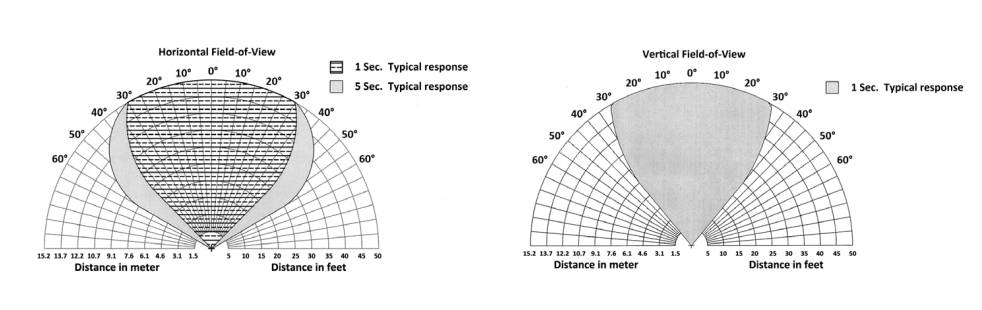
- High Performance: Fast response time, long detection range, and wide field of view (horizontal and vertical axes).
- False Alarm Immunity: Patented Fire Event Analysis (FEA) algorithm for superior false alarm immunity.
- Durable Design: Aluminum or Stainless Steel housing options for all series; robust weatherproof enclosures for indoor or outdoor applications.
- Ex-Proof Safety: Explosion-proof housing with international approvals including FM, CE, CSA, ATEX, IECEx, and SIL2.
- Flexible Control: Microprocessor-based User Selectable Interface (USI) options, RS485 Modbus RTU addressable serial communication, and adjustable sensitivity levels.


