Purpose and Value of Lighting Automation
In today’s world, energy constitutes one of the most important cost items for organisations. While low-power lighting fixtures certainly contribute to lowering these costs, the real savings are achieved when lighting is used only where and when it is actually needed. At this point, lighting automation directly supports both cost reduction and sustainability objectives.
Increasing comfort and safety expectations in living and working environments have made lighting automation systems an integral part of modern building management standards.
System Design: Sensors, Control Units and Infrastructure
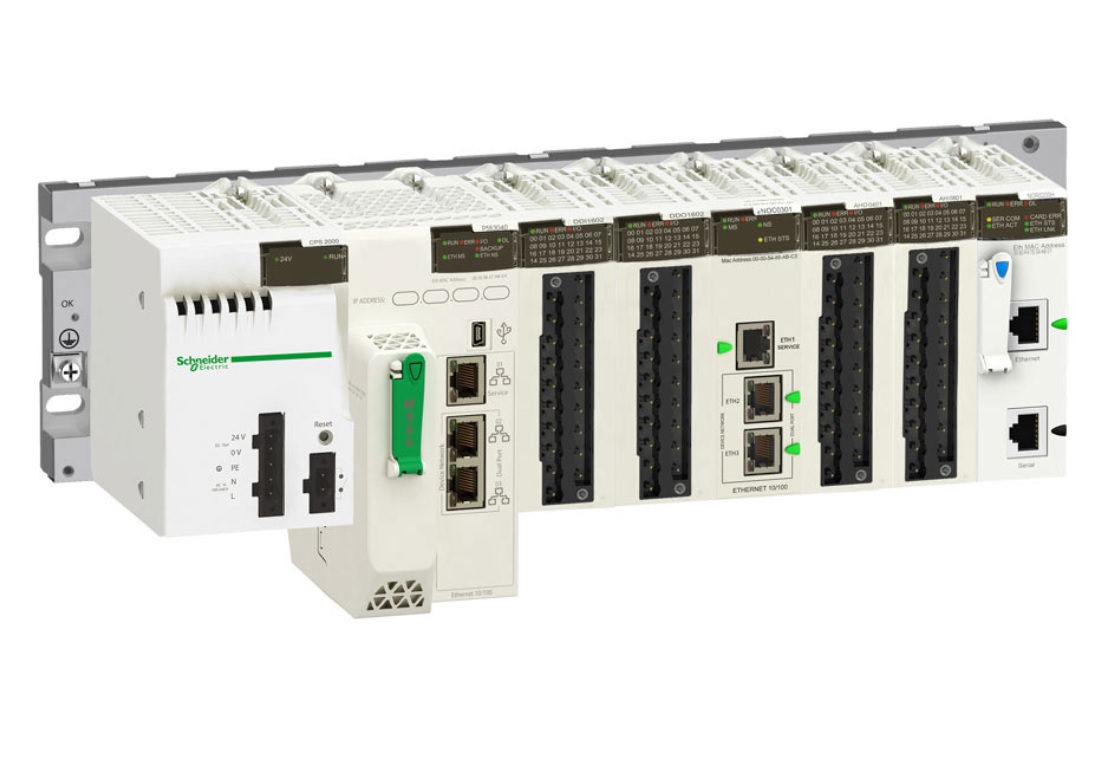
Taking into account facility usage conditions, operational processes, customer requirements and sustainable energy-saving criteria, the necessary electrical and control infrastructure is designed to provide lighting at the desired quality and conditions. Within this context, daylight sensors, presence sensors, control switches and intelligent control units are used to configure a comprehensive smart lighting system.
In this way, a building lighting control system that operates according to parameters such as natural light level, occupancy patterns and time schedules can be implemented, ensuring both increased comfort and the prevention of unnecessary energy consumption.
Energy Savings with Lighting Automation Systems
Lighting automation systems enable the automatic control of interior, exterior and architectural lighting based on time, ambient light level and usage intensity. Scenarios such as dimming or switching off lights in unoccupied areas and reducing artificial lighting when daylight is sufficient deliver significant energy-efficient lighting gains.
This approach not only provides lasting savings in operating costs, but also supports the organisation’s energy efficiency and sustainability targets in a measurable way.
Experience, Flexible Architecture and Integrated Solutions
With more than 15 years of experience and a skilled engineering team, our company designs and delivers integrated systems using advanced technology and certified, high-quality products. We provide safe, comfortable, easy-to-manage, energy-saving solutions with flexible, scalable architectures tailored to each facility.
By integrating our lighting automation solutions with building automation and other technical infrastructures, we create a centrally managed, fully monitored and reportable structure, ensuring sustainable lighting management from both an engineering and operational perspective.